The Challenge
Modern households struggle with kitchen management, often leading to food waste, unhealthy eating habits, and inefficient use of resources. Kitchen Cloud aimed to address these challenges by creating an intelligent app that could not only streamline food management but also promote a healthier, more sustainable lifestyle for users.
- Over 30% of household food purchases go to waste, largely due to poor planning and lack of real-time data.
- Users require an interface that feels intuitive, efficient, and seamlessly integrated with third-party services for maximum functionality.
- Design needed to focus on user-centered, eco-conscious choices that appeal to a broad demographic of home cooks, from novice to expert.
Research & Discovery
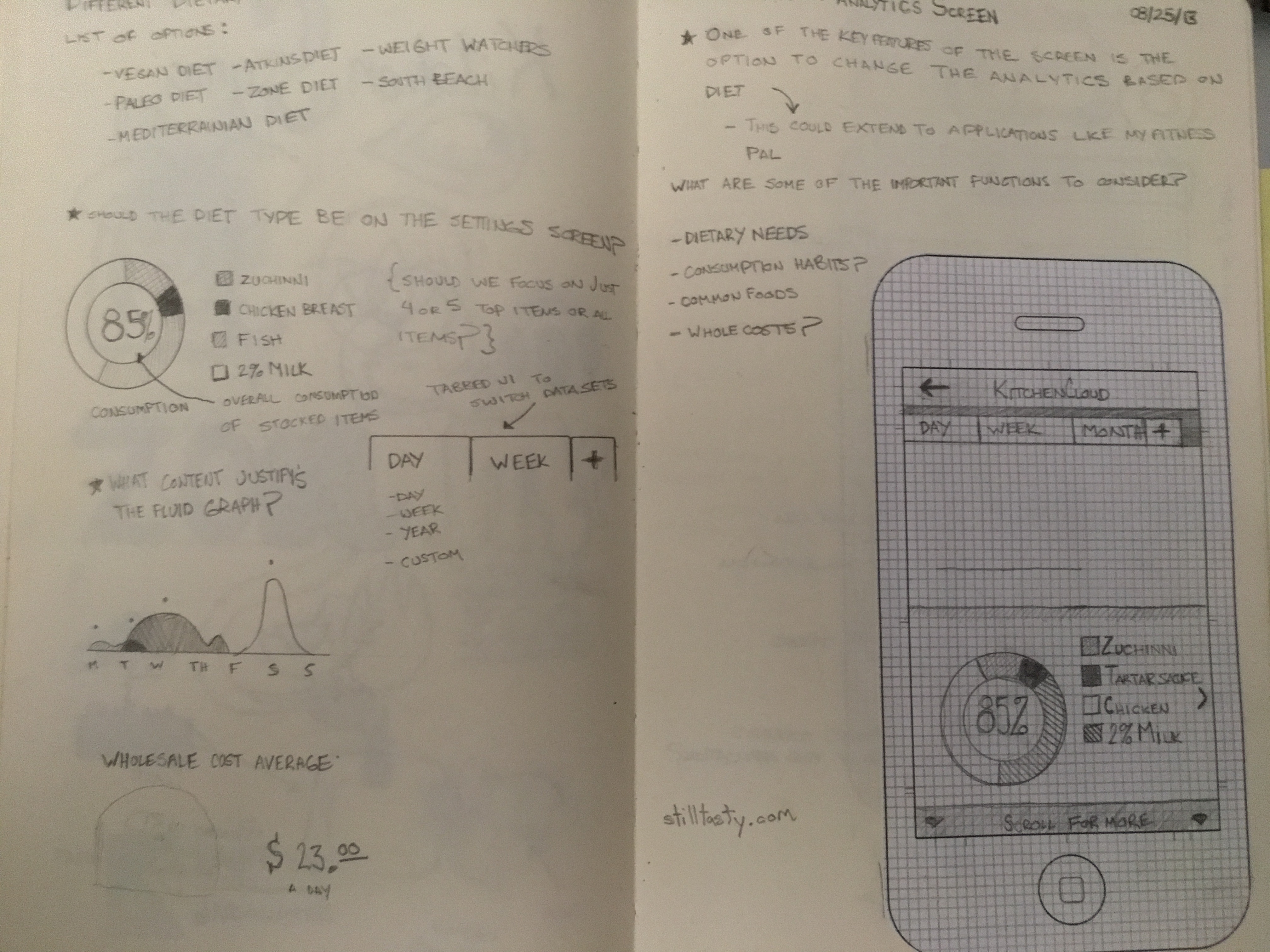
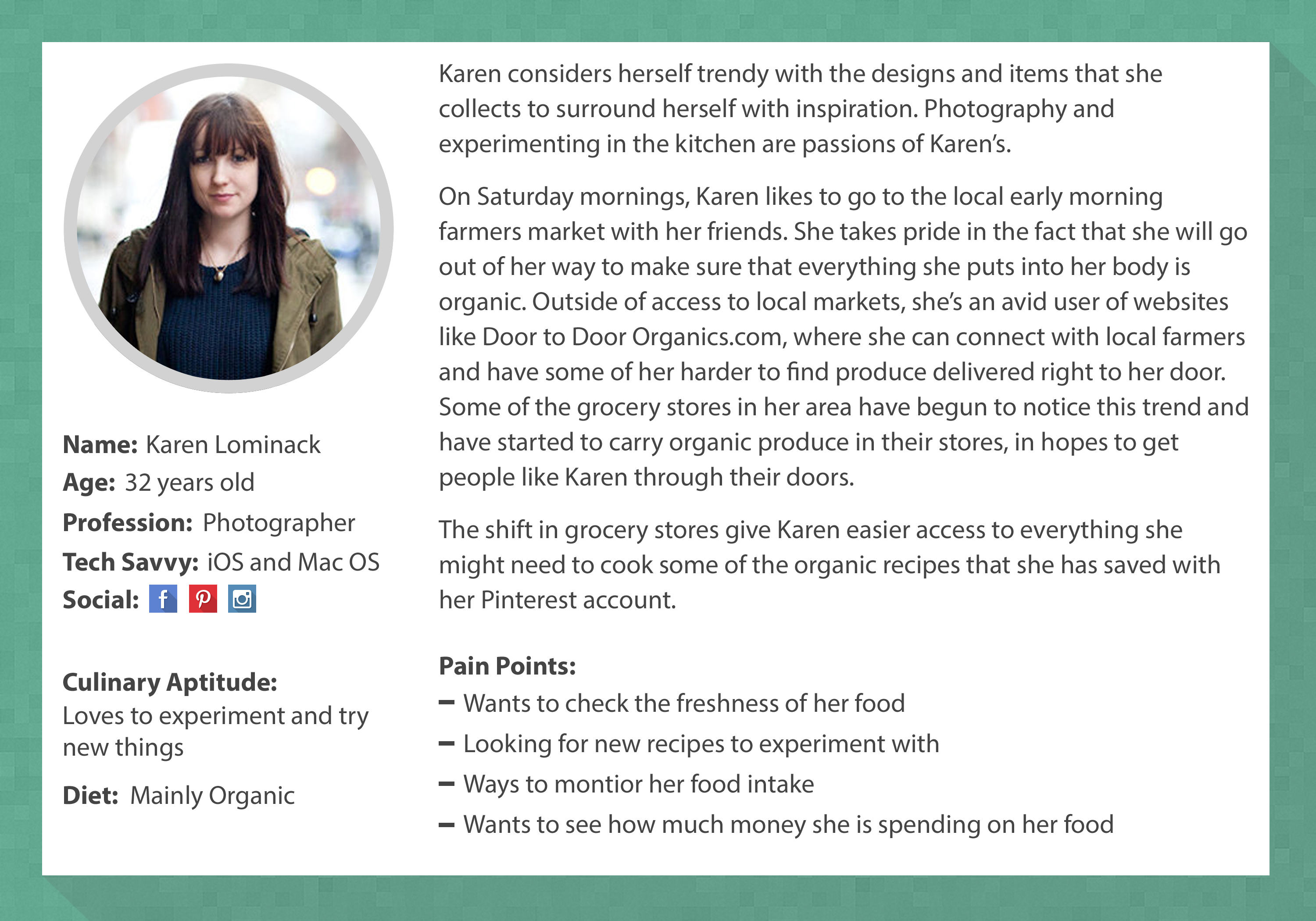
To create a solution that would resonate with diverse users, I conducted extensive research into behaviors around the kitchen, food storage practices, and sustainable habits. Insights from user interviews and surveys provided a clear understanding of users' needs and the features most likely to drive adoption and satisfaction.
- Identified a common need for automated meal planning and personalized health insights based on dietary preferences
- Uncovered a strong desire for easy access to sustainable options and proactive waste-reduction strategies
The Solution
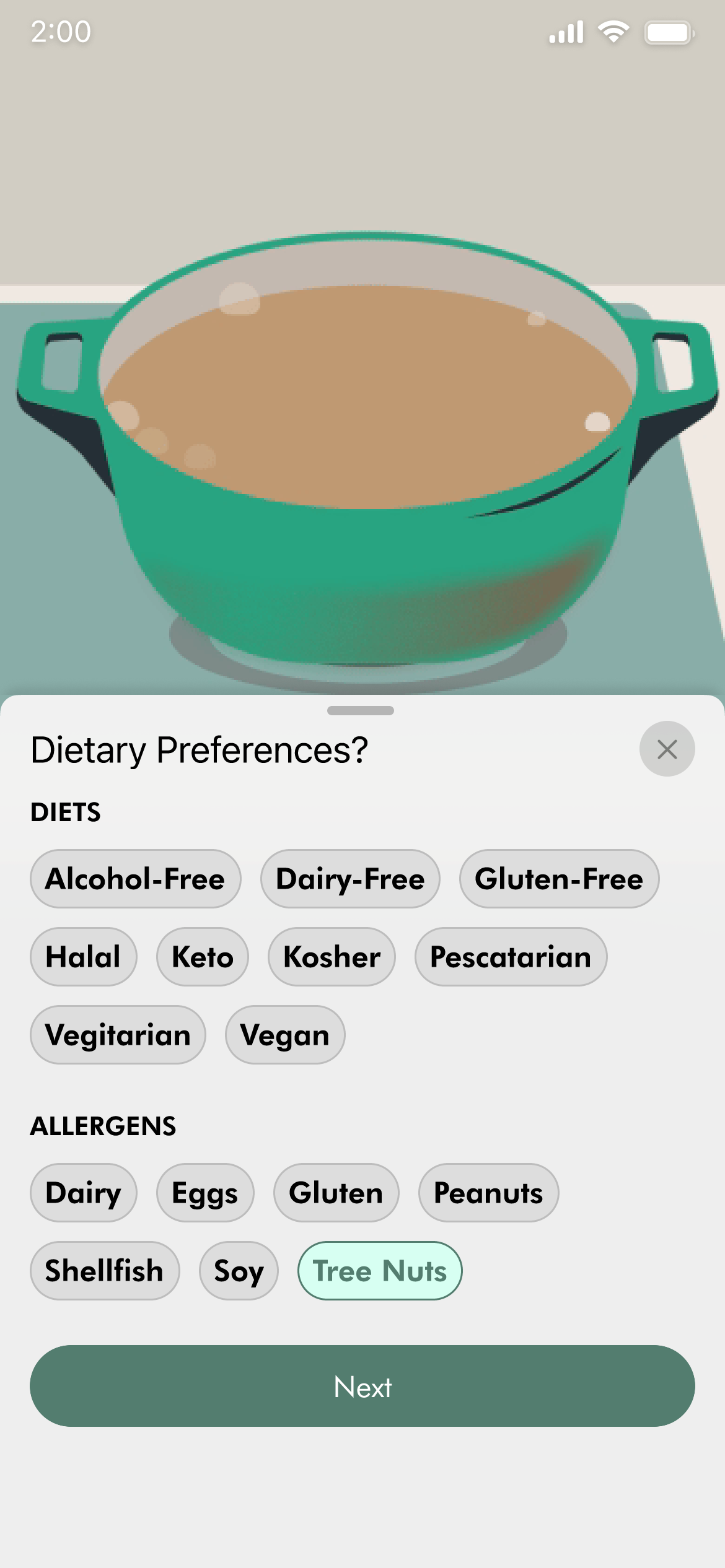
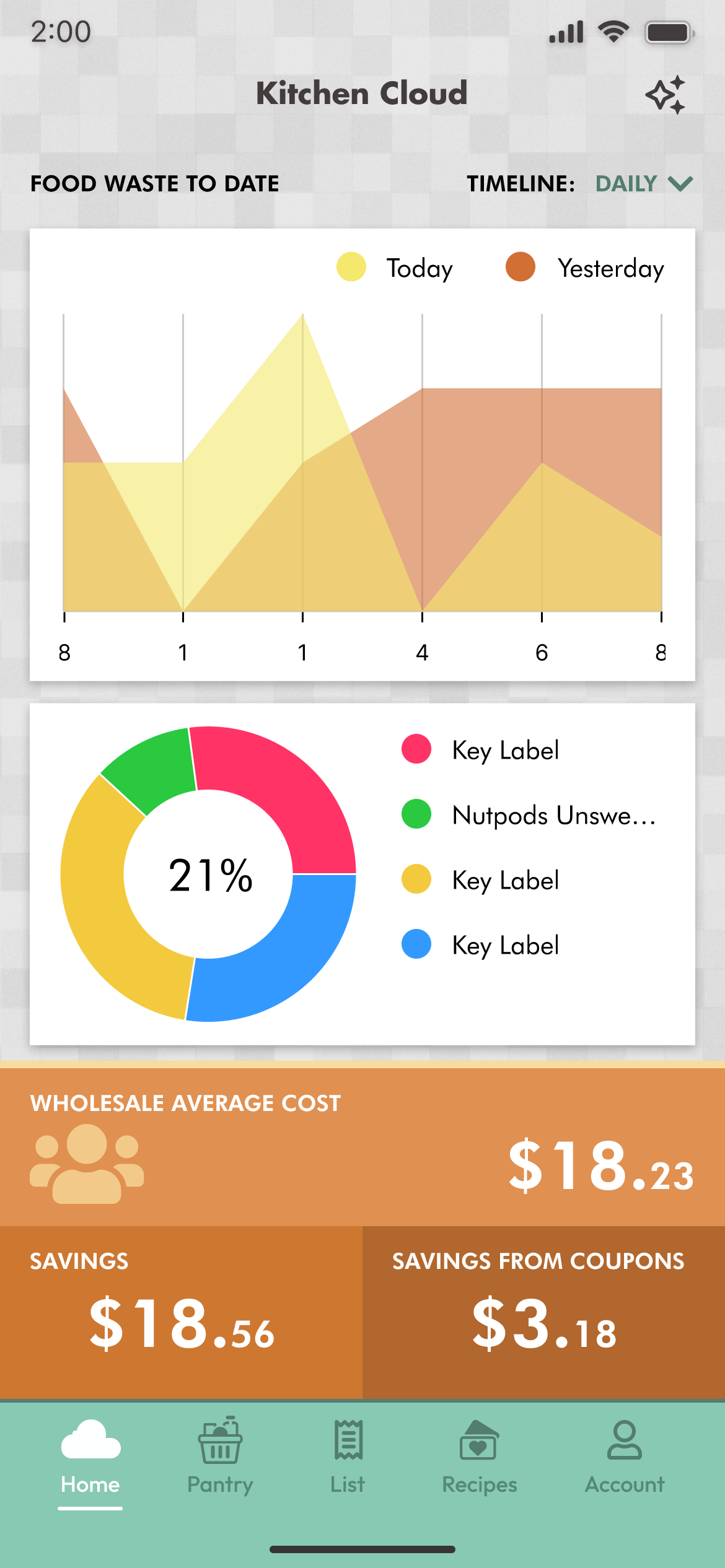
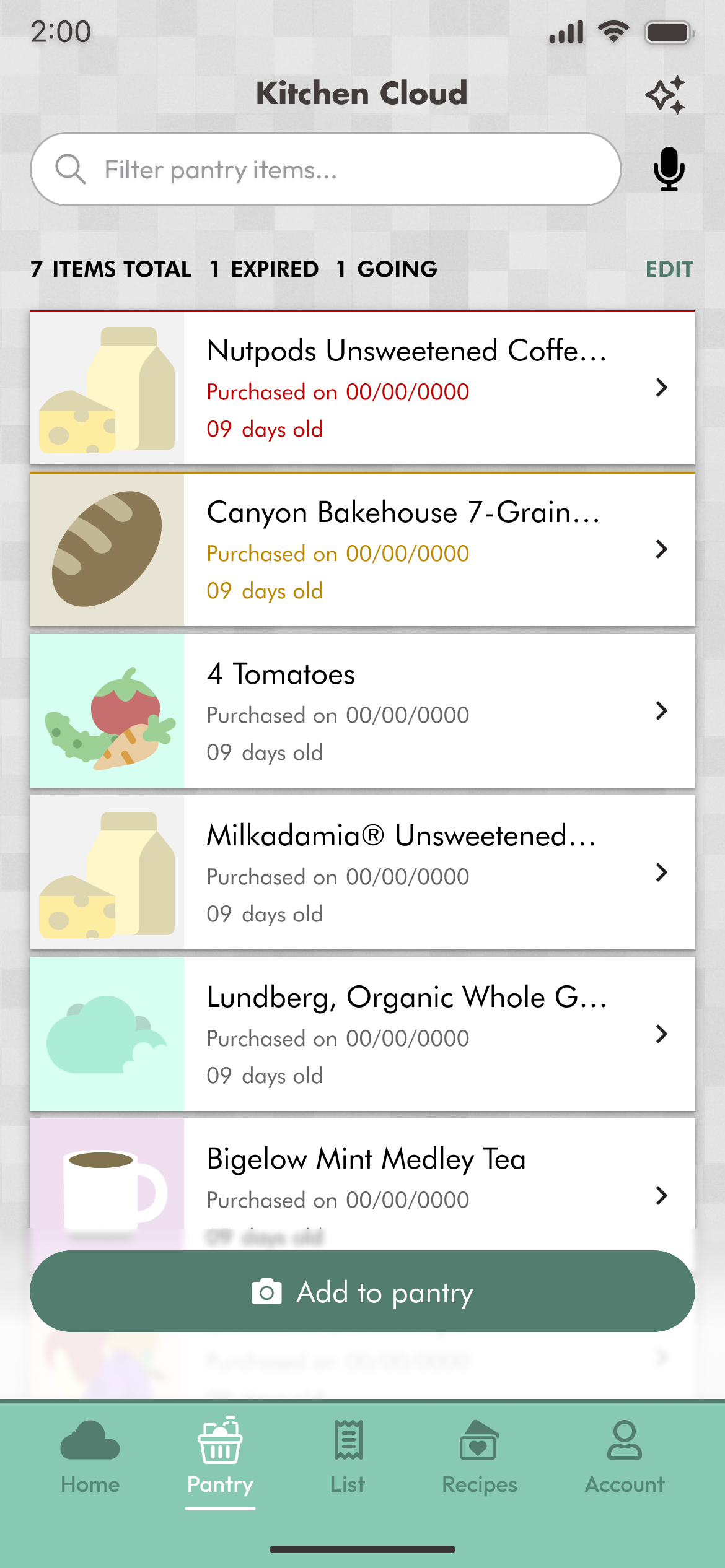
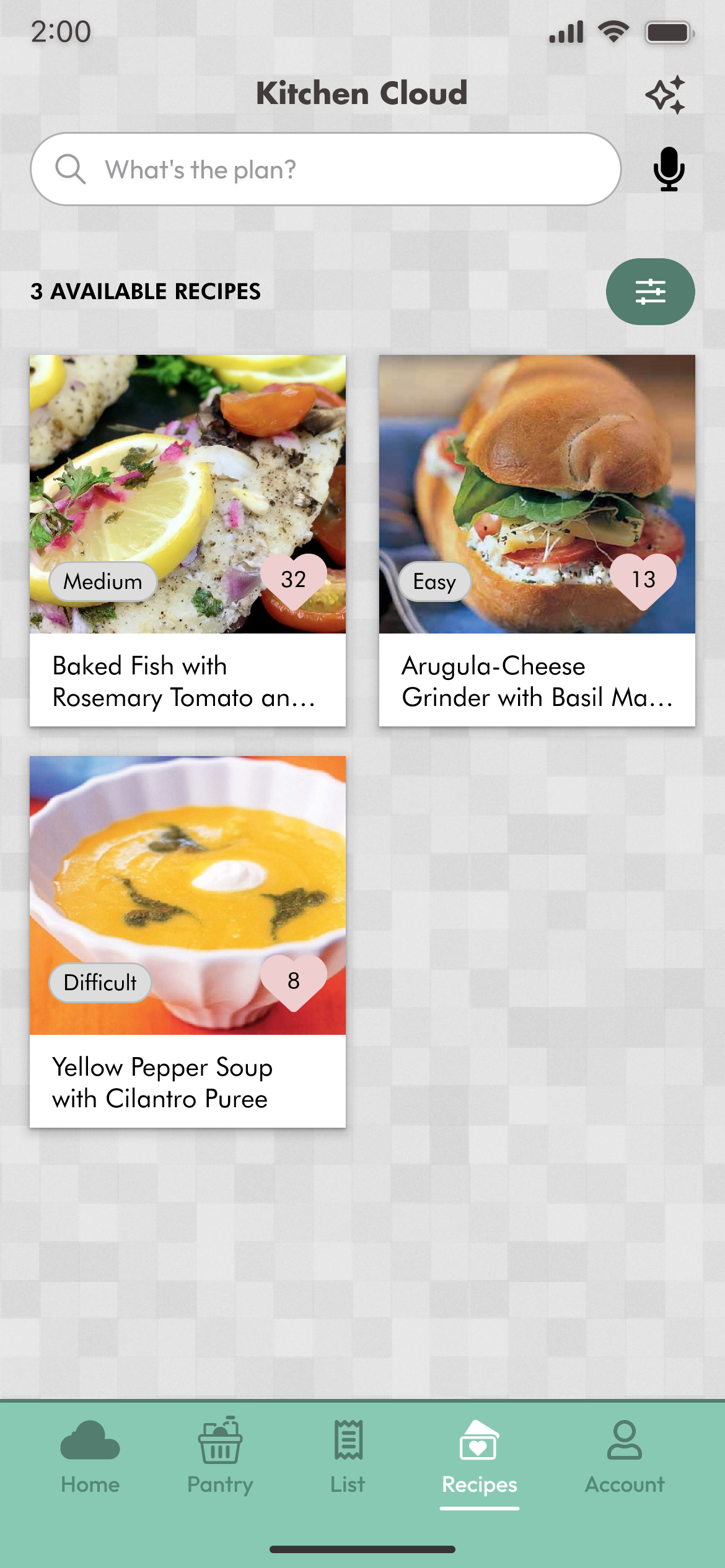
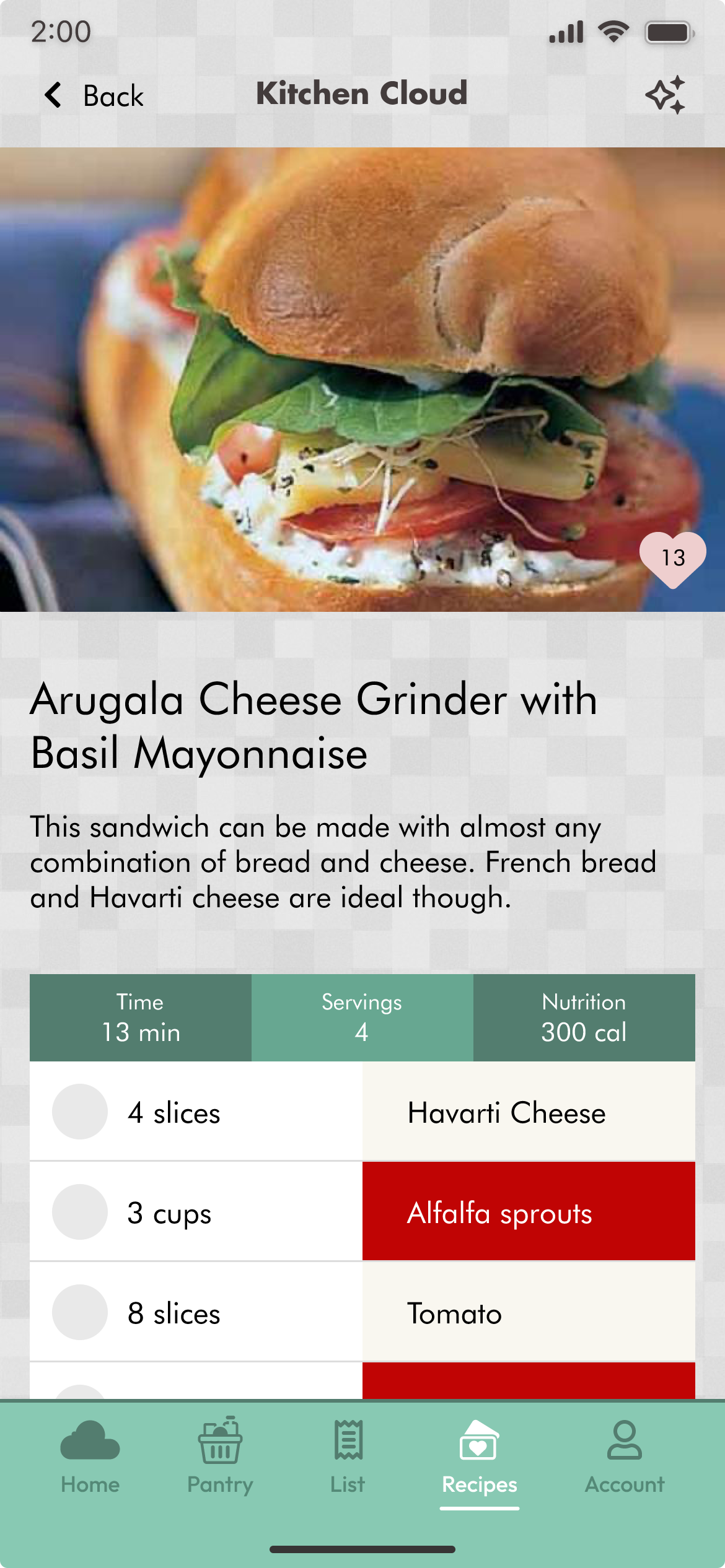
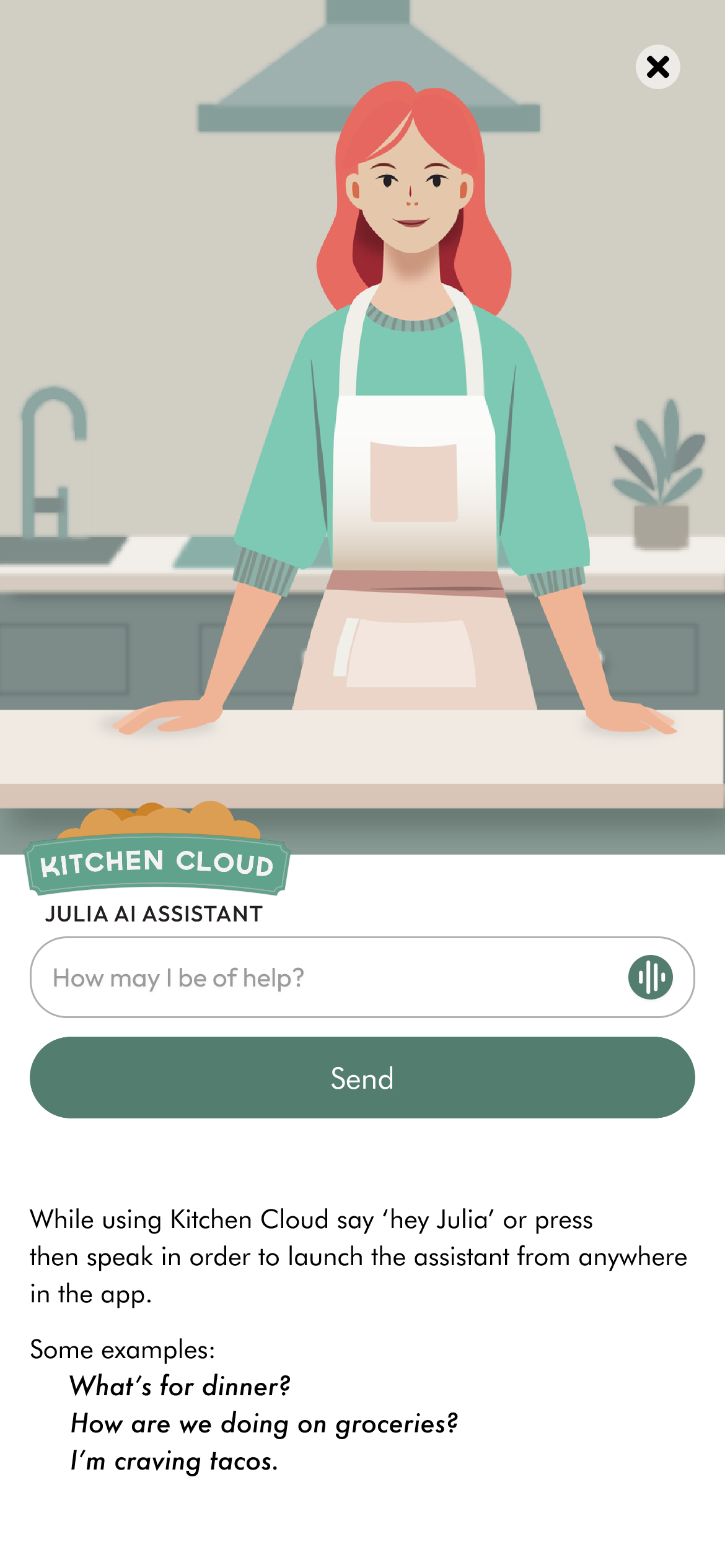
Kitchen Cloud emerged as an all-in-one app that leverages AI to support real-time food tracking, smart meal suggestions, and health insights tailored to user preferences. Key features include an intuitive dashboard, integration with smart appliances, and tools for tracking food purchases and waste.
- AI-powered meal planning based on users' dietary restrictions, preferences, and health goals.
- Real-time inventory tracking and expiration alerts, integrated with users' preferred shopping platforms.
- Real-time item suggestions based on purchasing habits
- Insights into personal food waste and sustainability tips to encourage better habits.
Key Results
Reduction in household food waste
Increase in healthy eating choices
User adoption among households
Lessons Learned
Developing Kitchen Cloud highlighted several important considerations in designing for sustainability and user centric innovation:
- The importance of extensive user research in complex domains
- Balance between simplification and maintaining necessary complexity
- Value of iterative testing with actual end-users
- Critical role of stakeholder communication throughout the process